
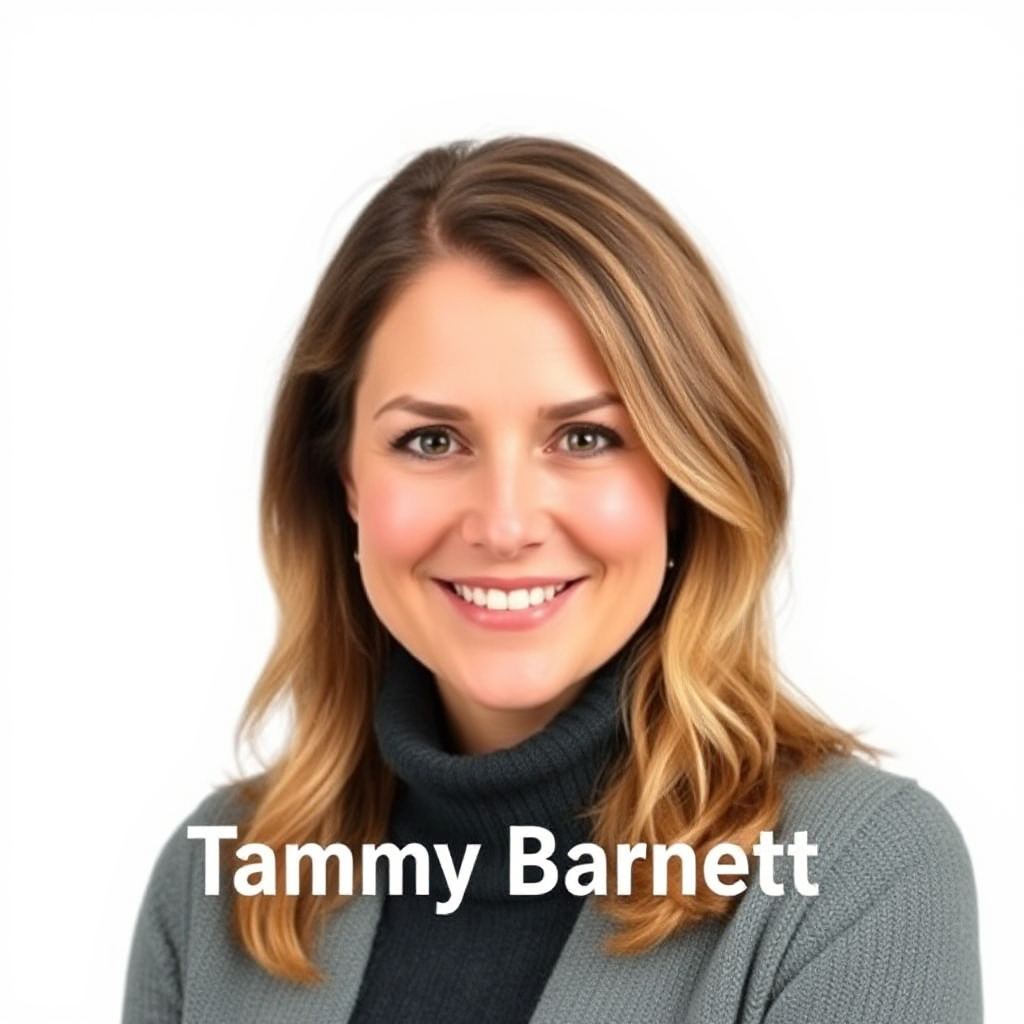
On occasion, a nurse named Lorna gets the phone slammed down on her. Commonly, she must hear to some rather bizarre false claims and, in a particular instance, she recalls being subjected to abuse.
"There's always going to be ones like that, who just don't want to hear, and it feels like a failure."
Yet, this comprises the daily work for Lorna. Her role involves calling families whose kids are overdue for the measles, mumps, and rubella vaccinations with the aim of encouraging them to become vaccinated. Suboptimal immunization levels mean the disease has been able to spread in the city, mainly among children younger than ten.
An Active Strategy
Lorna's been here before - she was part of a team of health service staff that placed thirteen thousand calls in only a quarter of a year after a spike in measles reports in late 2023 involved many pediatric cases. These discussions by themselves led close to a thousand formerly unsure families and youth to opt for vaccination.
Across parts of London, which is in the midst of a rise in measles, authorities are examining cities such as Birmingham for ways to get a grip on it. Fifty cases have been identified in the current year, mainly among toddlers, some of whom have been admitted to hospital.
Mobilizing Experience
During Birmingham's 2023 outbreak, some former doctors and nurses were brought out of retirement, similar to the pandemic. This time though, as opposed to vaccinating people, they were being deployed to persuade people to get them.
The unit was assigned making repeated calls to parents and patients under twenty-five years old to talk about their hesitancy getting the vaccine against a disease that can have severe outcomes - including meningitis, blindness and, in uncommon instances, death.
Currently, Lorna, the clinical lead for immunization services, and a group of nurse specialists have been enlisted to restart the phone campaign as there is another uptick in measles.
The Art of Persuasion
This is challenging work. It takes a certain kind of approach which involves attentive listening and trying to understand the person on the other end.
"When I understand their perspective, I can then address their queries," says Lorna. "Occasionally they are receptive, and sometimes they say they are finished talking."
"The goal isn't to act like a demanding nurse."
Should callers agree to carry on talking, Lorna is confident she can then ease their concerns or anxieties about the vaccine and help diminish them.
Guidelines and Assistance
The guideline is a maximum of three contacts. Another rule avoids leaving voicemails in case they can't be understood. Staff members fluent in a number of different languages, such as French, Italian, Arabic, and Urdu, can help with making calls when English isn't a person's first language.
Complementing the telephone campaign, the joint incident management team also runs an public awareness drive and connects to local community groups.
Clear Outcomes
The comprehensive campaign has had a significant effect. Over the course of 2024, a supplementary seven thousand jabs were carried out – and the complete tally of doses was 20 percent greater than the previous year.
Notably, there had been lower vaccine uptake among particular demographic groups, encompassing Roma, Eastern European, South Asian, and African/Caribbean backgrounds.
Linguistic challenges were met by expanding the resources available in a range of languages, including publishing QR codes connected to video content outlining the positives, in conjunction with conventional public signage.
Local Clinics Take Action
A number of primary care clinics have also started doing their own outreach initiatives. One of those is Hall Green Health, which has advanced the approach by offering GP appointments to parents who are hesitant so they can talk about their worries in person with a GP.
"I believe we have grown too relaxed about the genuine dangers of measles," says partner Dr Sonia Ashraf.
She explains that multiple multiple factors that cause hesitancy. The use of pork-derived gelatine is one thing they see, but this is relatively easily resolved by providing the alternative of the jab that is free from gelatine.
Long-refuted data from the 1990s falsely associating MMR with autism also is frequently mentioned, while some parents also worry about the volume of recommended jabs given to youngsters. During the preschool years, they will have been offered immunization on half a dozen occasions.
"Many families ask the necessity for numerous vaccines or feel their offspring can naturally fight off these diseases," notes the doctor. "We carefully explain the scientific data with them – there is a lot of misinformation out there."
Resource Constraints and Prospects
The call-and-recall support has since been extended to additional clinics. But because of stretched budgets, it is something that can only be done to a restricted degree. By the following year, uptake figures declined again to pre-2024 levels, leaving the city significantly under the 95% threshold needed for herd immunity.
Although there have been increases in infection, there has been nowhere near the scale of cases that were seen in the past outbreak, when diagnoses surpassed five hundred.
Leon Mallett, says the call-and-recall model "is really effective" but "not a perfect solution" and needs to be combined with other strategies. In an ideal scenario, he notes it would be used more but additional funding is required.
Existing monetary allocation for the initiative is scheduled until the conclusion of the current fiscal period.
Countrywide Challenges
This strategy isn't unique to adopt the strategy. Various other regions have tried similar things.
However, improving rates countrywide has proved difficult. Right now, less than eighty-five percent of children have had the complete course by the age of five.
"This is a genuine difficulty," says an expert. "The causes of vaccine hesitancy are complicated and diverse. A point commonly missed is practical availability. For


